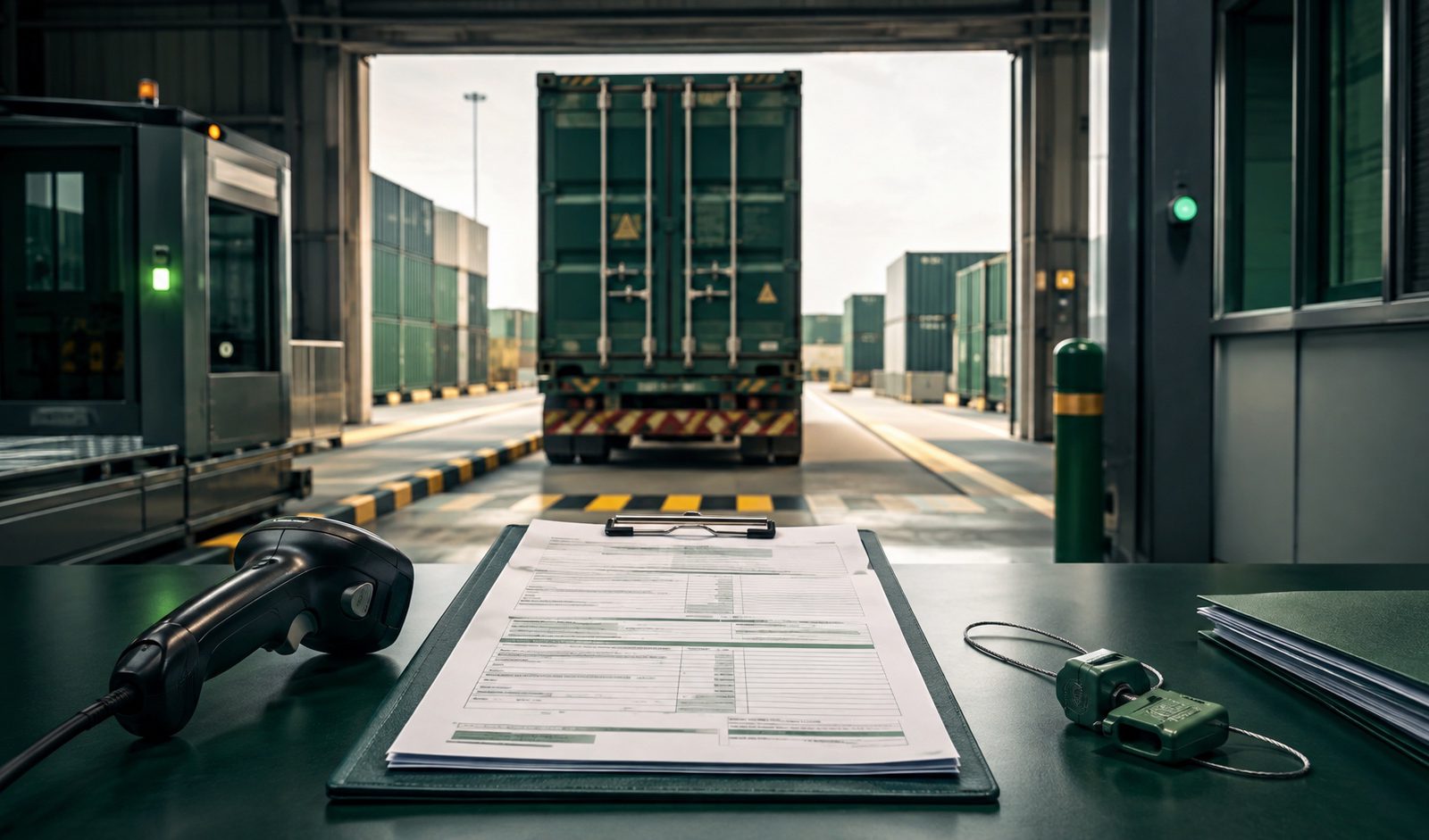
Customs clearance is an important part of international trade. Even a small documentation or classification error can create delays, additional costs and unnecessary complications.
For importers and exporters, preparing accurate information before shipment can make the clearance process significantly smoother. Here are five common mistakes businesses should watch out for.
1. Incorrect or Incomplete Documentation
One of the most common problems is missing, outdated or inconsistent documentation. Depending on the shipment, documentation may include commercial invoices, packing lists, transport documents and other required paperwork.
How to avoid it
- Check documents before shipment.
- Ensure information is consistent across documents.
- Verify quantities, descriptions and values.
- Keep required supporting documents ready.
2. Incorrect HS Code Classification
The HS Code is an important part of customs documentation. Incorrect classification can result in incorrect duty assessment, delays or compliance issues.
How to avoid it
- Ensure the product description is accurate.
- Review the appropriate classification.
- Avoid guessing the HS Code.
- Seek professional customs support when required.
3. Incorrect Declared Value
The value declared for goods is an important part of customs processing. Incorrect or inconsistent valuation can create questions during clearance and may result in additional complications.
How to avoid it
- Use accurate commercial values.
- Ensure invoice information is consistent.
- Maintain proper commercial documentation.
- Avoid inaccurate declarations.
4. Ignoring Import Regulations & Restrictions
Certain products may be subject to specific regulations, licences, permissions or restrictions. Failing to identify these requirements before shipment can lead to delays.
How to avoid it
- Check applicable import and export requirements.
- Identify restricted or regulated goods.
- Arrange required licences or approvals in advance.
- Discuss special cargo requirements with your logistics partner.
5. Poor Shipment Planning
Customs clearance should not be treated as an activity that begins only after cargo arrives. Good preparation starts before shipment departure.
Plan → Prepare → Verify → Ship → Clear
Early coordination can help identify documentation or compliance issues before they become shipment problems.
The Result of Getting Customs Right
Good customs preparation can help businesses achieve:
- Smoother clearance
- Better shipment planning
- Reduced risk of delays
- Better documentation control
- Improved supply-chain efficiency
How Newlink Global Logistics Can Help
Newlink Global Logistics provides customs clearance support as part of its logistics services, with a focus on documentation coordination, compliance and timely cargo movement. Our approach is designed to help customers navigate the clearance process more efficiently.
Right Documentation. Smooth Clearance. Better Control.
